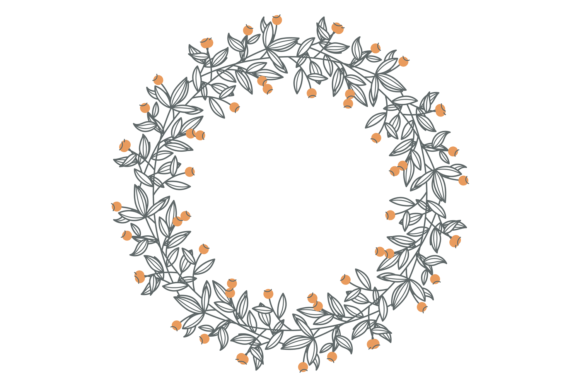
Elegant Foliage: Using a Decorative Branch in Design
In the world of visual communication, the frame is just as important as the content. We often obsess over typography, imagery, and color palettes, but the subtle structural elements that hold a design together—like borders and dividers—are frequently overlooked. If you have ever found a standard black line or a simple geometric border too sterile for your project, it is time to explore the Floral Border. Decorative Foliage Branch. This botanical element, typically available as a versatile design asset in EPS, JPG, SVG, and transparent PNG formats, brings an organic, breathing quality to layouts that rigid lines simply cannot achieve.
Unlike a traditional typeface, this asset functions as a visual narrator. It is a piece of isolated botanical art, featuring intricate leaves, vines, and sometimes blossoms, designed to wrap around text or frame an image. It possesses a personality that is both timeless and adaptable. Depending on how you use it, the foliage can feel rustic and hand-drawn, or it can feel formal and architectural. It is the kind of detail that subconsciously signals to your audience that you care about the finer points of presentation. When you place a delicate branch around a certificate or a menu, you are not just filling white space; you are setting a mood of growth, nature, and elegance.
Where This Botanical Element Truly Shines
The versatility of the Floral Border. Decorative Foliage Branch is what makes it a staple in the toolkit of many creative professionals. Because it is isolated on a white background and often provided in transparent formats, it can be layered over any texture, color, or image without the hassle of removing backgrounds. This makes it incredibly practical for fast-paced environments like social media marketing and editorial design.
For packaging design, this asset is invaluable. Imagine a line of organic soaps, teas, or artisanal foods. The packaging needs to communicate "natural" and "handcrafted" instantly. By using a foliage branch to wrap around the logo or border the ingredients list, you create an immediate visual connection to nature. It elevates a simple label into something that looks like a premium font or a curated design asset, helping small business owners compete on the shelf with larger brands.
In web design and digital media, the element serves as an excellent divider. Instead of a hard horizontal rule that breaks the reading flow, a soft, curving vine can separate sections of a blog post or a landing page. It adds a layer of visual hierarchy that guides the eye gently rather than abruptly. For wedding invitations, event programs, and menus, the floral border is a classic choice that never goes out of style. It pairs beautifully with script font styles or elegant serif font choices, creating a sophisticated layout that feels high-end.
Strategic Integration for Brand Identity
Using decorative elements effectively requires a bit of strategy. You cannot simply drop a floral branch onto a canvas and hope for the best. To influence brand perception and professionalism, you must consider how the organic shapes interact with your typography and grid systems.
One of the most effective ways to use the Floral Border. Decorative Foliage Branch is to create visual consistency across different platforms. For example, a content creator could use the branch to frame their profile picture on Instagram, use the same branch to create a watermark for their photography, and use it as a border for their newsletter header. This repetition builds brand recognition. Your audience begins to associate that specific organic shape with your content, even before they read a single word.
When considering readability, placement is key. If you are using the branch as a border around a large block of text, ensure the foliage does not encroach on the margins. White space is your friend here. The branch should frame the content, not choke it. If you are using it as a background element behind text, consider lowering the opacity significantly so that the text remains the hero of the design. This is particularly important in logo design where legibility is paramount. A complex floral element behind a logotype can look cluttered if not handled with restraint.
Technical Considerations and Practical Tips
When sourcing your Floral Border. Decorative Foliage Branch, pay close attention to the file formats. While a JPG might be sufficient for a quick social media post, serious design work requires vector files like EPS or SVG. Vectors allow you to scale the foliage to any size—from a tiny favicon to a massive trade show banner—without losing image quality. This scalability is crucial for maintaining a crisp, professional look across all your marketing materials.
Furthermore, look for assets that include a transparent PNG. This saves you hours of tedious masking work in Photoshop. With a transparent background, you can instantly drop the element onto a textured background, such as watercolor paper or linen, to enhance the organic feel of the design.
When it comes to font pairing, the floral branch acts as a bridge between different styles. It often pairs exceptionally well with modern typography and sans serif font choices. The clean, geometric lines of a sans-serif typeface provide a striking contrast to the organic, irregular lines of the foliage. This contrast creates a dynamic tension that makes the design feel contemporary rather than dated. Conversely, pairing it with a heavy serif font can create a more traditional, vintage aesthetic.
For entrepreneurs and small business owners, this asset is a cost-effective way to add value to your designs. Instead of commissioning custom illustrations for every project, a high-quality foliage branch can be reused in different ways—flipped, rotated, colored, or cropped—to create a variety of looks. It is a versatile workhorse that belongs in every designer’s library.
Ultimately, the Floral Border. Decorative Foliage Branch is more than just a clipart image; it is a tool for storytelling. Whether you are designing a wedding program, a corporate wellness brochure, or an artisan product label, this botanical element adds a touch of humanity and nature. It softens the hard edges of digital layouts and brings a sense of calm and beauty to the viewer. By mastering how to integrate this asset into your workflow, you can elevate your designs from merely functional to truly memorable.