Hand Drawn Ribbon Scroll: A Decorative Banner Font
Understanding the Aesthetic of This Decorative Element
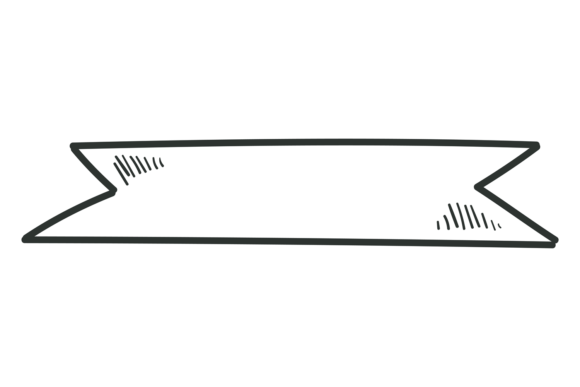
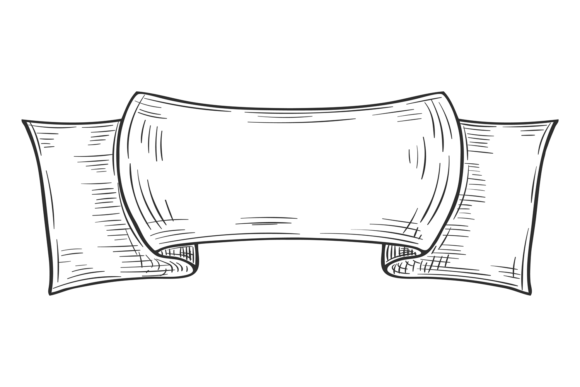
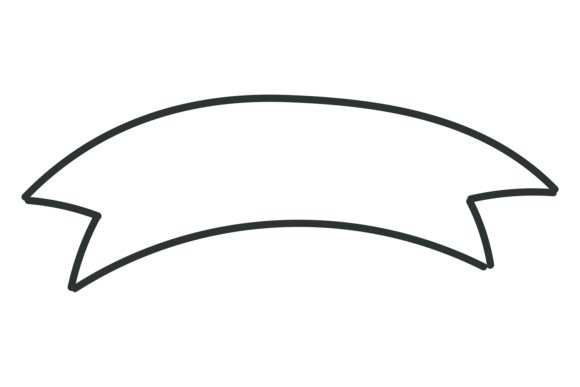
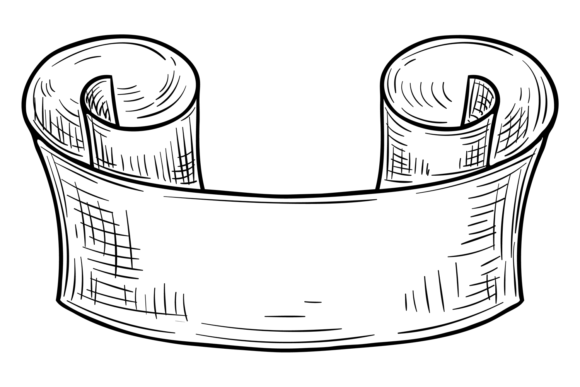
There’s a specific kind of charm that comes from something that looks made by hand. In a digital world saturated with sleek, geometric perfection, a touch of the human element can make a design feel instantly more approachable and authentic. This is the core appeal of the Hand Drawn Ribbon Scroll. Decorative Ban. It’s not just a font in the traditional sense; it’s a premium font package that functions as a versatile design asset. At its heart, it’s a collection of ornate, hand-illustrated ribbon banners and scrolls. Each one carries the subtle imperfections, the slight wobble in a line, and the organic texture of a pen or brushstroke. This gives it a personality that feels vintage, artisanal, and genuinely crafted, setting it apart from standard digital borders or clip art.
Visually, the style leans into a classic, almost Victorian-era aesthetic, but with a modern sensibility that keeps it from feeling dated. Think of the kind of ornate scrollwork you might find on an old certificate, a vintage label, or a decorative menu border. The ribbons themselves have a sense of dimension and flow, appearing to curl and twist in space. This creative font excels as a display font element, perfect for framing text rather than setting long paragraphs. Its strength lies in its ability to add instant character, a focal point, or a decorative frame that draws the eye and establishes a specific mood—be it elegant, rustic, celebratory, or formal.
Where This Decorative Font Truly Shines
Knowing what it looks like is one thing, but understanding where to apply the Hand Drawn Ribbon Scroll. Decorative Ban is where its value becomes clear. For logo design and brand identity, it’s a secret weapon. Imagine a boutique bakery, a craft brewery, a wedding photographer, or a artisanal coffee shop. Using one of these scrolls to frame the brand name in a logo or on packaging instantly communicates a sense of craftsmanship and care. It tells a story before a single word of copy is read. This isn’t about slapping it on everything; it’s about strategic use to build a cohesive and memorable visual identity.
In the realms of editorial design and publishing, its utility is immense. Think of chapter headings in a book, pull quotes in a magazine article, or the title card for a blog post. Using the Hand Drawn Ribbon Scroll here creates a clear visual hierarchy, guiding the reader’s eye and breaking up text in an engaging way. It transforms a simple headline into a design feature. For packaging design, whether for a product box, a jar label, or a gift tag, these banners add a layer of perceived value and authenticity. They make a product feel special, curated, and worth picking up off the shelf.
Digital applications are equally strong. Social media graphics thrive on visual stopping power. A ribbon banner can frame a promotional offer, highlight a customer testimonial, or make a quote graphic stand out in a crowded feed. On a website, it can be used for call-to-action buttons, section headers in a sales page, or to spotlight special announcements, enhancing the overall web design without compromising functionality. For personal projects—from crafting wedding invitations and party decorations to creating personalized stationery—the handwritten font style of the scrolls adds a heartfelt, custom touch that store-bought elements can’t match.
Practical Guidance for Using This Typeface
Choosing the right decorative element is about more than just liking how it looks. First, evaluate the project fit. The Hand Drawn Ribbon Scroll. Decorative Ban has a distinct personality. It pairs beautifully with a wide range of other fonts—a classic serif font for an elegant feel, a clean sans serif font for modern contrast, or even a flowing script font for a romantic touch. The key is to create a balanced font pairing where the scroll acts as the ornate accent, and the supporting typeface handles the legible body text. Never use the scrolls for long sentences; their purpose is decorative framing.
Before you commit, test the specific scrolls included in the package. A good commercial font collection like this will offer variety—different ribbon shapes, levels of ornamentation, and orientations (horizontal, vertical, angled). See which ones align with your project’s tone. A simple, straight ribbon might work for a professional certificate, while a more ornate, curving scroll could be perfect for a vintage-style poster. Always consider readability. The text you place within the banner must be clear and high-contrast. A decorative frame loses its value if it makes the message inside it hard to read.
Finally, understand the licensing. Since this is a premium font asset, check the license terms for commercial use. Most reputable foundries offer clear licenses for different uses—desktop, web, app, etc. Ensure your intended application is covered, especially if you’re creating merchandise, digital products, or client work. This isn’t about legal fear; it’s about professional practice and respecting the work of the type designers who created these valuable design assets. When used thoughtfully and legally, the Hand Drawn Ribbon Scroll. Decorative Ban becomes more than an ornament; it becomes a strategic tool for adding depth, story, and professionalism to your creative work.