Mandala Decorative Motif Flower: Unlocking Creative Potential
There’s a certain rhythm to a mandala. It’s not just a pattern; it’s a visual representation of harmony, balance, and the universe itself. When you infuse that sacred geometry into a floral motif, you get something truly special for your design toolkit. The Mandala Decorative Motif Flower is more than just an image; it’s a versatile design asset that carries a sense of organic symmetry and intricate beauty. For creatives ranging from graphic designers to small business owners, understanding how to leverage this specific aesthetic can transform a simple project into a captivating piece of art.
Understanding the Visual Language of the Motif
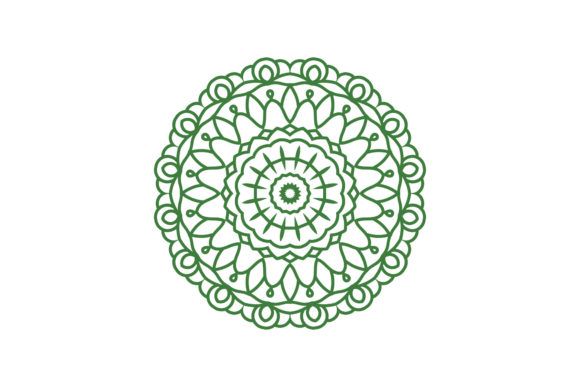
At its core, the Mandala Decorative Motif Flower is characterized by its radial balance. Unlike a standard floral illustration, which might grow from a stem, this design expands outward from a central point. It blends the natural softness of petals with the rigid structure of geometric repetition. The personality of this design style is inherently calming yet complex. It invites the viewer to look closer, tracing the lines from the center to the edges. This creates a hypnotic effect that is incredibly useful for holding attention.
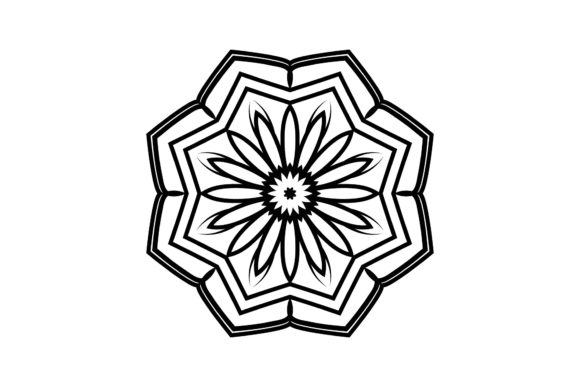
The overall appeal lies in its adaptability. Whether the lines are bold and thick for a modern, graphic look, or thin and filigree for a vintage, delicate feel, the motif retains its structural integrity. It acts as a visual anchor. In a busy composition, placing a Mandala Decorative Motif Flower can instantly bring order to chaos, providing a focal point that feels both organic and intentional.
Strategic Applications Across Industries
Knowing what the design looks like is one thing; knowing where to put it is where the strategy comes in. This type of design asset is not limited to wall art. Its utility spans across nearly every sector of the creative and commercial world.
Branding and Logo Design
For businesses in the wellness, beauty, yoga, or artisanal sectors, a mandala-inspired logo is a powerful choice. It suggests that the brand is grounded, thoughtful, and detail-oriented. Using the Mandala Decorative Motif Flower in a logo design can help a brand stand out from the sharp, aggressive angles often found in the tech or finance sectors. It softens the brand identity, making it more approachable.
Digital and Web Presence
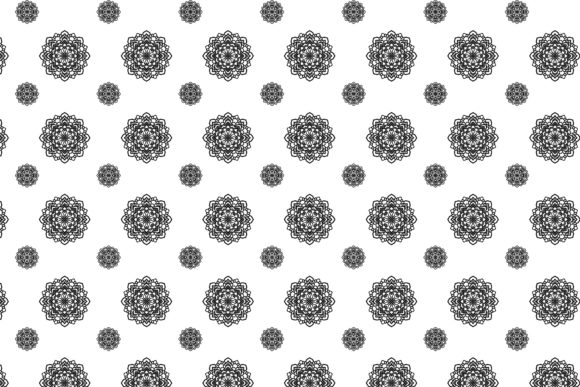
In the realm of web design, this motif shines as a background element or a section divider. Because of its symmetry, it tiles beautifully or can be faded into the background to add texture without overwhelming the text. For social media graphics, it is invaluable. A mandala overlay on an Instagram post or a Facebook cover photo adds a layer of professionalism and artistic flair that standard stock photos cannot match. It turns a simple quote graphic into a piece of shareable content.
Publishing and Editorial Design
Publishers and authors often struggle with cover design that needs to convey a specific mood quickly. A mandala motif works exceptionally well for genres like spiritual fiction, self-help, poetry, or fantasy. In editorial design, such as magazine layouts or brochures, smaller versions of the motif can be used as ornamental breaks between sections, replacing standard bullet points or decorative lines.
Packaging and Physical Products
Imagine a candle label, a soap wrapper, or a tea box. The Mandala Decorative Motif Flower fits perfectly into packaging design because it implies purity and craftsmanship. It can be stamped onto kraft paper for a rustic look or printed in metallic foil for a luxury feel. The design scales well, meaning it can be the hero image on the front of a package or a subtle, repeating pattern on the tissue paper inside.
Influencing Audience Perception and Hierarchy
Design is psychology. The elements you choose dictate how your audience feels about your message. A Mandala Decorative Motif Flower influences perception by adding a layer of sophistication and tranquility. It signals to the viewer that care has been taken with the presentation. This is crucial for brand perception. A brand that looks polished is often perceived as more trustworthy.
Regarding visual hierarchy, the motif acts as a high-priority visual element. If you place it near your headline, the eye is drawn there first. However, because of its intricate nature, you must be careful not to let it compete with your text. It works best when it supports the message rather than shouting over it. By adjusting the opacity or using a monochromatic version, you can ensure it enhances readability rather than hindering it.
Practical Guidance for Implementation
When you acquire a premium font or a vector asset like the Mandala Decorative Motif Flower, you are buying flexibility. Here is how to get the most out of it.
File Formats and Versatility
You typically receive a suite of files to cover every possible use case. Understanding these formats is key to a smooth workflow.
- SVG and AI Files: These are vector formats. They are the most important files for professional work. You can scale a vector file to the size of a billboard or a postage stamp without losing quality. This is essential for large-format printing or intricate die-cut designs.
- EPS Files: Similar to AI files, these are widely compatible with older vector software and print shops. They are the industry standard for exchanging vector graphics.
- DXF Files: If you are a crafter using machines like Cricut or Silhouette, the DXF file is your best friend. It allows the machine to read the cut lines accurately.
- PNG Files: These usually come with a transparent background, making them perfect for drag-and-drop usage in web design, presentations, or layering in Photoshop.
- JPG Files: Best for quick mockups, social media posts, or situations where file size needs to be smaller and transparency isn't needed.
Color and Customization
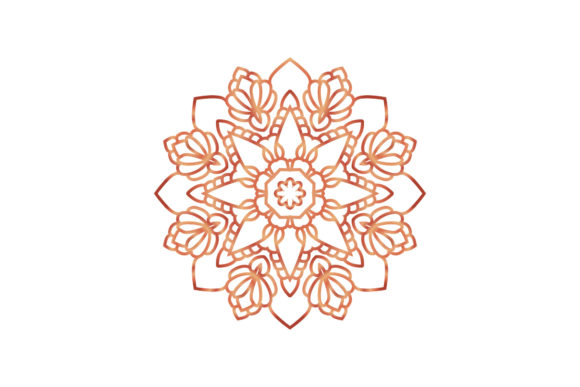
A black-and-white mandala is classic, but don't be afraid to play with color. In a vector editor like Adobe Illustrator, you can ungroup the elements and apply gradients to individual petals. This can turn a flat design into a 3D masterpiece. Consider using a color palette that matches your brand identity to ensure consistency across all your marketing materials.
Font Pairing and Typography
Since the Mandala Decorative Motif Flower is an ornamental design, it pairs well with strong typography. If you are using it for a header, consider pairing it with a clean sans serif font to provide contrast. The complexity of the mandala needs the simplicity of a sans serif to remain legible. Alternatively, for a more romantic or artistic vibe, a flowing script font can complement the curves of the floral design, but use this combination sparingly to avoid visual clutter.
Commercial Licensing and Usage
Always review the licensing of your design assets. Most digital files come with a license that allows for commercial use, meaning you can use them in products you sell, like t-shirts or mugs. However, you usually cannot resell the digital file itself. Understanding these boundaries ensures you can monetize your creativity legally and ethically.
Conclusion: Elevating Your Creative Output
The Mandala Decorative Motif Flower is a bridge between ancient art and modern digital design. It offers a way to bring depth, meaning, and visual interest to a wide array of projects. Whether you are designing a logo for a new startup, creating graphics for a blog, or packaging a handmade product, this motif provides the structure and beauty needed to capture attention. By treating it not just as a decoration but as a strategic element in your visual hierarchy, you can create designs that are not only beautiful but also effective in communicating your message.