Unlocking Visual Harmony with Illustration Decorative Mandala Art
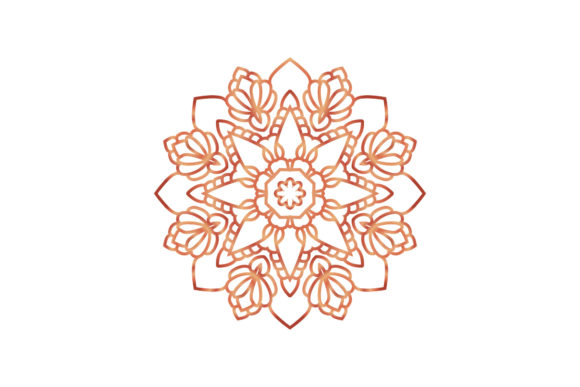
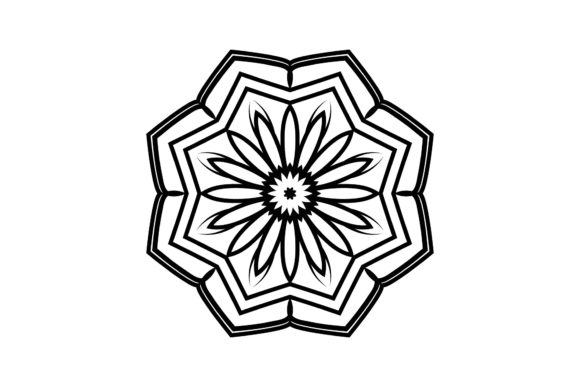
When you first encounter the intricate patterns of Illustration Decorative Mandala Art, it’s more than just a visual element—it’s an experience. These designs aren't merely random doodles; they are carefully constructed geometric configurations that radiate from a center point, creating a sense of balance and cosmic order. The style relies heavily on symmetry and repetition, which naturally draws the human eye. Whether you are working on a project that demands spiritual resonance or simply want to add a layer of sophisticated texture, this artwork provides a versatile foundation. It bridges the gap between ancient symbolism and modern digital application, making it a powerful tool in any creative arsenal.
The visual personality of this collection is rooted in its complexity and precision. Unlike loose, hand-drawn sketches, these vector-based illustrations offer clean lines and scalable geometry. The "personality" here is one of meditation and focus. The concentric circles and layered petals create a hypnotic effect that can anchor a chaotic layout or elevate a minimalist design. It fits perfectly into the current trend of modern typography that favors layered, textured backgrounds over flat colors. Because the designs are so detailed, they work exceptionally well as hero images or focal points, allowing surrounding text to be simpler and more legible.
Practical Applications: From Brand Identity to Packaging
Understanding where to deploy Illustration Decorative Mandala Art is key to maximizing its impact. In brand identity, these patterns are invaluable for businesses in the wellness, yoga, beauty, and lifestyle sectors. A mandala pattern can transform a standard logo design into a memorable emblem, or serve as a sophisticated background texture for business cards and letterheads. It communicates a message of wholeness and attention to detail without needing a single word of copy.
For packaging design, the utility of this artwork is immense. Imagine a candle box, a tea label, or a skincare product where the mandala forms the central visual motif. It adds perceived value, making the product feel "premium" and artisanal. In editorial design, these illustrations can break up long blocks of text in magazines or blogs, acting as visual palettes that reset the reader's eye. Furthermore, for social media graphics, the repetitive, hypnotic nature of mandalas is perfect for stopping the scroll. They work beautifully for Instagram posts, Pinterest pins, or Facebook cover photos where you need to capture attention instantly.
Technical Versatility: A Designer’s Dream Asset
One of the most significant advantages of this collection is the sheer breadth of file compatibility. You aren't locked into a single workflow. The inclusion of AI and EPS files means you can manipulate the vector paths directly in Adobe Illustrator, changing colors, scaling infinitely, or isolating specific elements. The SVG format is critical for web design, allowing for lightweight, resolution-independent graphics that load quickly on modern browsers.
For those working in print-on-demand or physical crafting, the DXF files are essential for cutting machines like Cricut or Silhouette. You can cut these intricate patterns out of vinyl, paper, or fabric with precision. Meanwhile, the high-resolution JPG and PNG files (at a generous 1920 px x 1280 px) are ready for immediate digital use. The PNGs are particularly useful if you need to overlay the mandala onto a textured background or a photograph, as they can be set up with transparent backgrounds to blend seamlessly into your composition.
Integrating Mandalas with Typography
Pairing typefaces with intricate art like this requires a strategic approach to visual hierarchy. Because Illustration Decorative Mandala Art is visually dense, it acts as a display font in terms of visual weight. You generally want to pair it with typefaces that offer high legibility and contrast. A clean sans serif font works exceptionally well for body copy, providing a modern, uncluttered counterpoint to the ornate illustration. If you are aiming for a more traditional or luxurious vibe, a classic serif font with thin hairlines can complement the detailed linework of the mandala.
Avoid using overly busy script fonts or handwritten fonts directly on top of the mandala patterns, as the visual noise will make the text unreadable. Instead, use the mandala as a framing device or a background element with reduced opacity. This ensures your message remains the hero while the art enhances the atmosphere. The goal is to let the design assets support your content, not compete with it.
Editing and Customization for Your Workflow
The true value of a premium font or graphic asset lies in its editability. This collection guarantees that you can modify the designs to fit your specific brand identity. If the default color palette doesn't match your client's swatches, you can easily recolor the vectors in Illustrator or Affinity Designer. You might choose to desaturate the mandala to use it as a watermark, or apply a gradient overlay to match a specific campaign theme.
When evaluating the fit for your project, consider the "mood" of the specific mandala variation included. Some patterns are sharp and geometric, suitable for tech or architecture-adjacent branding, while others are floral and soft, better suited for organic product lines. Take the time to test different font pairings and color treatments before finalizing your layout. Because the files are high-resolution and well-organized, you can experiment freely without worrying about pixelation or loss of quality. This flexibility makes the Illustration Decorative Mandala Art collection a robust addition to any designer's library, ready to adapt to the unique demands of your next creative endeavor.